Accounting & Compliance

Last Updated: September 19, 2025

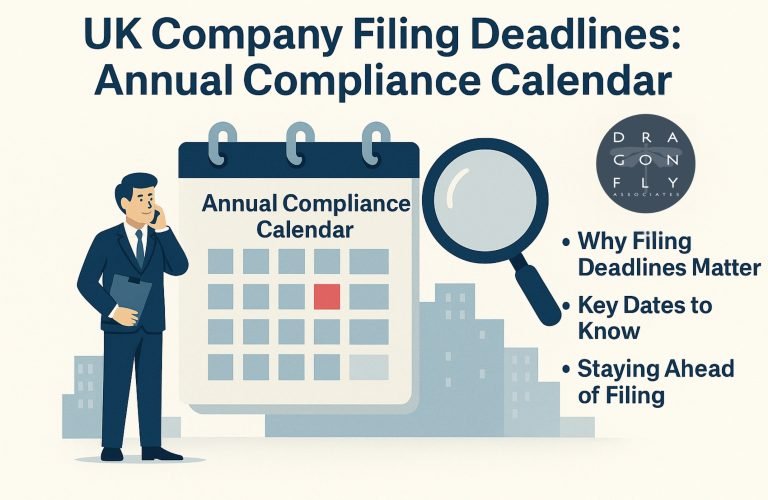
Keeping your UK company compliant isn’t just about staying in business—it’s about avoiding costly penalties and maintaining your company’s reputation. One of the most common mistakes made by directors is missing key deadlines.

This article outlines the most important UK company filing dates you need to know, and how Dragonfly Associates helps clients stay ahead—subject to agreement.

Why Filing Deadlines Matter

  • Financial penalties
  • Company strike-off warnings
  • Loss of good standing with Companies House or HMRC
  • Difficulty obtaining loans, investors, or credit

Dragonfly Associates tracks your deadlines, sends alerts, and handles filings under our annual compliance packages.

Key Filing Deadlines for UK Companies


Key Filing Deadlines for UK Companies

Here’s a breakdown of the most common filing obligations for private limited companies in the UK:

Filing Type Deadline (After Event) Notes
Confirmation Statement (CS01) 14 days after confirmation date Due annually, confirms company information
Annual Accounts (first year) 21 months after incorporation For new companies only
Annual Accounts (ongoing) 9 months after accounting year-end Applies from second year onward
Corporation Tax Return (CT600) 12 months after accounting year-end Filed with HMRC
Corporation Tax Payment 9 months + 1 day after accounting year-end Must be paid before CT600 is filed
PAYE / NI Payments (monthly) 22nd of each month (if paying electronically) For employers
VAT Returns (if registered) Usually quarterly – 1 month + 7 days after VAT period Depends on VAT scheme used
Companies House Event Changes Within 14 days of change (e.g. director, address) File appropriate form (e.g. CH01, AD01)


How to Stay Compliant All Year Round

  • Use accounting software with compliance reminders
  • Work with a provider that monitors dates on your behalf
  • Store your authentication code securely for quick online filing
  • Review your company register regularly

Dragonfly Associates offers full annual compliance monitoring, filings, and documentation maintenance to eligible clients—subject to agreement.

Penalties for Late Filing

  • Companies House penalties (starting at £150 and rising to £1,500+)
  • Strike-off procedures for missed filings or unpaid penalties
  • HMRC interest charges or late payment fines
  • Director disqualification in severe cases

We help prevent this through deadline tracking and proactive filing.

Frequently Asked Questions

Can I change my year-end?

Yes. You can apply to shorten or extend your accounting period with Companies House. We can assist with the application.

What if I miss a deadline?

Contact us immediately. We may be able to help file quickly and mitigate penalties or objections, depending on the situation.

Can Dragonfly Associates manage all filings for me?

Yes. We provide comprehensive annual filing support, including accounts, Confirmation Statements, tax returns, and more—subject to agreement.

Never Miss a Deadline Again

Running a company involves more than great ideas—it requires staying compliant with UK filing obligations. By knowing your key dates and working with the right partners, you can stay ahead and avoid unnecessary risk.

Dragonfly Associates tracks your filing calendar, handles all required submissions, and provides ongoing advice through our compliance and accounting service plans.

To simplify your company’s compliance and never miss a deadline again, contact us today.

Last Updated: September 19, 2025
Transferring shares in a UK private limited company is a common business activity—whether to onboard new investors, update internal ownership, or exit a shareholder. But it must be done correctly to ensure legal validity and protect all parties involved.In this article, we explain how share transfers work, what documents are needed, and how Dragonfly Associates assists clients with compliant and structured transfers—subject to agreement.

What Is a Share Transfer?

A share transfer occurs when an existing shareholder sells or gives their shares to someone else. Unlike issuing new shares (which increases the total number of shares), a transfer redistributes the existing shareholding.

Reasons for share transfers include:

  • Bringing on a new business partner or investor
  • Exiting shareholders
  • Inheritance or family ownership restructuring
  • Shareholder buybacks

Transfers must be approved and recorded properly in the company’s statutory documents.


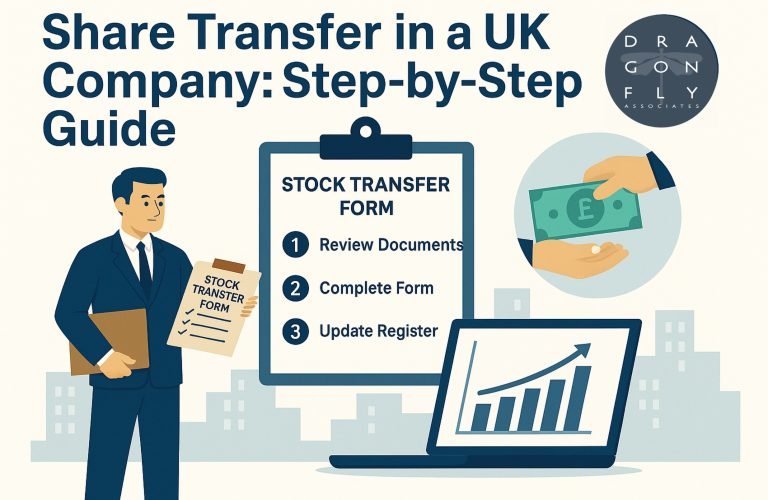
Step-by-Step: How to Transfer Shares in the UK

Step-by-Step - How to Transfer Shares in the UK

1. Review the Articles of Association and Shareholders’ Agreement

Check whether:

  • Pre-emption rights apply (existing shareholders must be offered the shares first)
  • Board or shareholder approval is required
  • Specific procedures or pricing conditions are set

Dragonfly Associates reviews your governing documents to ensure all rules are followed.

2. Complete a Stock Transfer Form (Form J30)

The form must include:

  • Name of current shareholder (transferor)
  • Name of new shareholder (transferee)
  • Number and class of shares
  • Date and value of transfer
  • Signature of transferor (and optionally transferee)

We prepare the stock transfer form for you and ensure the details match company records.

3. Pay Stamp Duty (if applicable)

If the transfer value exceeds £1,000, HMRC stamp duty of 0.5% applies. The buyer must:

  • Submit the form to HMRC for stamping (online or by post)
  • Pay the duty within 30 days of signing

We advise clients on whether stamp duty applies and assist with submission where required.

4. Update the Register of Members

Once the transfer is complete, you must:

  • Update the statutory register of members
  • Cancel and issue new share certificates
  • Record the transfer in board minutes

These steps formalise the change in ownership. We handle all documentation and register updates under our secretarial services.

5. Notify Companies House (if needed)

There’s no immediate obligation to notify Companies House for private companies. However, changes must appear in the next Confirmation Statement (CS01).

We ensure this update is included in your next CS01 filing.

Tax and Legal Considerations

  • Stamp duty (as noted)
  • Potential capital gains tax for the seller
  • Valuation considerations, especially in family or related-party transfers
  • Restrictions in shareholder agreements or company buy-back rules

We work alongside your accountant or legal adviser to ensure the transfer is valid, tax-compliant, and properly recorded.

Frequently Asked Questions

Can I transfer shares without paying anything?

Yes. Shares can be gifted, but documentation is still required and tax implications may apply.

Does the company need to approve the transfer?

Usually yes, especially if the Articles or Shareholders’ Agreement require board or member approval.

Can Dragonfly Associates manage the transfer for me?

Yes. We provide a full share transfer service, including form preparation, register updates, and guidance on compliance—subject to agreement.

Transfer Shares with Confidence

Whether you’re updating your cap table, restructuring ownership, or welcoming a new shareholder, a properly executed share transfer protects everyone involved and keeps your company compliant.

Dragonfly Associates offers end-to-end share transfer services, including document preparation, register updates, and optional HMRC assistance—available through our company management packages.

To begin a share transfer or review your shareholder structure, contact our team.

Last Updated: September 19, 2025
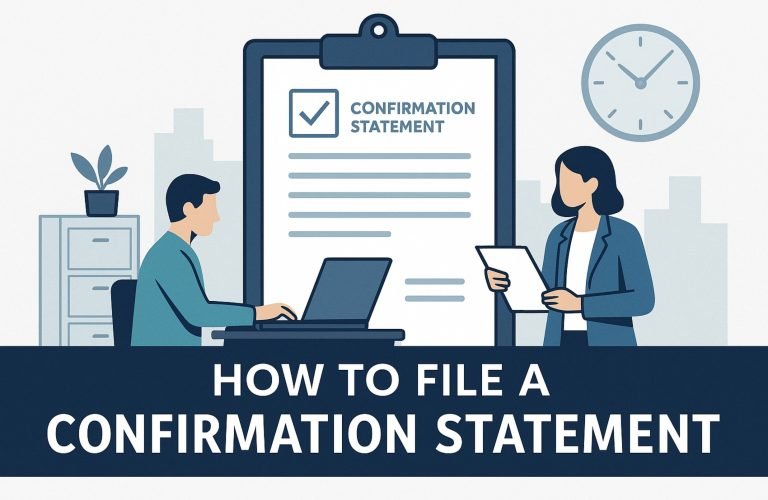
The Confirmation Statement is a simple yet critical filing requirement for all UK limited companies and LLPs. It confirms that your company’s public record is up to date and accurate.Failure to file can lead to penalties or even company strike-off. In this article, we explain what a Confirmation Statement is, what information it contains, and how Dragonfly Associates helps ensure it’s filed correctly—subject to agreement.

What Is a Confirmation Statement?

A Confirmation Statement (form CS01) is a snapshot of your company’s key details on the public register. It must be filed at least once every 12 months—even if nothing has changed.

It replaced the Annual Return in 2016 and is a legal requirement for all registered UK companies and LLPs.

What Information Does It Confirm?

What Is a Confirmation Statement?

Your Confirmation Statement confirms the following:

  • Company name and number
  • Registered office address
  • Directors and their service addresses
  • Shareholders and share capital
  • Persons with Significant Control (PSC)
  • SIC code (business activity classification)

You must update Companies House of any changes to this information either:

  • Before submitting the Confirmation Statement, or
  • Alongside it, by including the relevant forms (e.g. CH01, SH01, PSC01)

Dragonfly Associates can handle these updates and filings as part of our compliance support services.

When and How to File

You must file a Confirmation Statement:

  • At least once every 12 months
  • Within 14 days of your “confirmation date” (the anniversary of your incorporation or last statement)

You can file online through Companies House WebFiling or by post. The current filing fee is:

  • £13 online
  • £40 by paper

We manage the full process electronically for clients enrolled in our annual compliance packages.

What If Nothing Has Changed?

You still need to file a Confirmation Statement, even if all your company details remain the same. You simply confirm that the existing information is accurate—no further action is required.

Failure to file on time may result in penalties or a warning that your company will be struck off. We help prevent this by tracking due dates for clients.

What If There Have Been Changes?

If any company details have changed—such as directors, shareholders, PSCs, or share structure—you must:

  • File the appropriate form before or with the CS01
  • Ensure your statutory registers are updated
  • Provide updated shareholder information where applicable

We assist with these additional filings and maintain your records to ensure full compliance.

Frequently Asked Questions

Can I file more than one Confirmation Statement per year?

Yes. You can file multiple times if your company details change—though you only pay the fee once per 12-month period.

What happens if I miss the deadline?

Companies House may initiate strike-off proceedings if your Confirmation Statement is overdue. Penalties and loss of good standing may follow.

Can Dragonfly Associates file on my behalf?

Yes. We file Confirmation Statements and manage due dates as part of our annual compliance and registered office services—subject to agreement.

Stay Compliant, Stay Active

Filing your Confirmation Statement may seem simple, but it’s critical to maintaining your company’s legal status. It’s also an opportunity to review and correct any outdated records.

Dragonfly Associates provides reliable, automated support for CS01 filings, updates to officers and PSCs, and full Companies House recordkeeping—offered under defined service packages.

To ensure your next Confirmation Statement is filed on time and without stress, contact us today.

Last Updated: September 19, 2025

If your UK limited company is not actively trading, you may be classed as dormant.
While your filing responsibilities are reduced, you still need to file dormant company accounts annually to remain in good standing.

In this article, we explain what a dormant company is, how to prepare the correct accounts, and how Dragonfly Associates supports clients with ongoing compliance—subject to agreement.

What Is a Dormant Company?

A company is considered dormant by Companies House if it has had no “significant accounting transactions” during the financial year.

This means:

  • No income or sales
  • No bank interest or expenses
  • No employee wages or trading activity

Minor filings such as Companies House fees or share allotments may still occur without affecting dormant status.

Dormant status is different from being “closed” or “dissolved”—it simply means the company is not currently trading.

Who Uses Dormant Companies?

Who Uses Dormant Companies?

Dormant companies are commonly used for:

  • Holding intellectual property or trademarks
  • Reserving a company name
  • Businesses not yet ready to launch
  • Startups pausing operations
  • Holding or investment entities

We support founders and directors who wish to maintain a company shell for future activity or branding purposes.

What Must Be Filed?

Even if your company is dormant, you must still file:

  • Dormant company accounts (once per year)
  • A Confirmation Statement (annually)
  • Corporation Tax return (only if HMRC requests it)

Failure to file these documents can result in penalties or strike-off proceedings. We help clients track and file dormant accounts on time.

What Do Dormant Accounts Include?

Dormant company accounts are much simpler than full statutory accounts. They typically include:

  • A balance sheet marked as “dormant”
  • A statement confirming the company has been dormant
  • A director’s signature

No profit & loss account, auditor’s report, or notes are required (unless your company was previously active or no longer qualifies for dormancy).

We prepare these accounts and file them electronically on behalf of clients under our compliance packages.

Corporation Tax for Dormant Companies

If your company is truly dormant and has informed HMRC, you typically do not need to file a Corporation Tax return. However:

  • HMRC must be notified in writing of dormancy
  • If HMRC believes your company is active, they may still issue filing notices

We help clients notify HMRC of dormancy and respond to any queries, subject to agreement.

Changing From Active to Dormant

If your company has been trading and is becoming dormant, you should:

  • Complete all final filings (accounts, CT600)
  • Pay any outstanding taxes
  • Inform HMRC that the company is no longer trading
  • Cancel PAYE and VAT (if applicable)

We guide clients through this transition to ensure all obligations are met.

Frequently Asked Questions

Can I keep a dormant company forever?

Yes, provided you continue to file accounts and Confirmation Statements on time and pay any applicable fees.

Do I need an accountant to file dormant accounts?

Not legally—but professional filing ensures accuracy, avoids penalties, and saves time. We file dormant accounts for clients using our annual compliance services.

Can I make the company active again later?

Yes. You can resume trading at any time. Just notify HMRC and begin submitting regular accounts and Corporation Tax returns from that point.

Keep Your Dormant Company Compliant

Just because your company is dormant doesn’t mean your responsibilities disappear. Filing accurate dormant accounts on time keeps your company in good legal standing and ready to reactivate when needed.

Dragonfly Associates provides annual dormant filing, Companies House updates, and HMRC notifications—available under agreed compliance plans.

To maintain your dormant company correctly and avoid penalties, contact our team today.

Last Updated: September 19, 2025
There may come a time when your UK company has fulfilled its purpose or is no longer needed. In such cases, closing the company correctly is essential to avoid penalties, ongoing filing obligations, or legal complications.This article explains how to dissolve a UK limited company, what steps to follow, and how Dragonfly Associates assists clients with the process—subject to agreement.

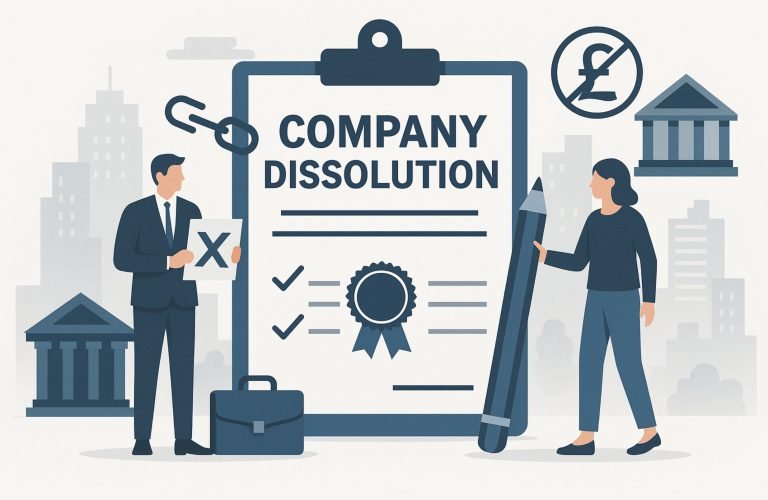
What Is Company Dissolution?

Company dissolution is the formal process of removing a company from the Companies House register. Once dissolved, the company ceases to exist as a legal entity and can no longer trade or own assets.

Dissolution is suitable for companies that:

  • Have ceased trading
  • Have no outstanding debts or liabilities
  • Have no assets or bank accounts remaining
  • Are not involved in ongoing legal proceedings

If your company is still active or has liabilities, you may need to follow an alternative route (e.g. liquidation or striking off after a winding-up).

Key Requirements Before Applying

Before applying to dissolve your company, you must ensure:

  • All trading has ceased (minimum 3 months)
  • All assets have been distributed (e.g. bank accounts closed)
  • All debts have been settled
  • Final accounts and tax returns have been submitted to HMRC
  • Employees have been properly offboarded and PAYE closed
  • VAT registration (if any) has been cancelled

We assist clients with a final compliance review to ensure these requirements are met before filing for dissolution.

Step-by-Step: How to Dissolve a UK Company

Step-by-Step: How to Dissolve a UK Company

Step-by-Step: How to Dissolve a UK Company

  1. Board or shareholder approval (where necessary)
  2. Final accounts submitted to HMRC and Companies House
  3. Form DS01 completed and signed by the majority of directors
  4. DS01 submitted to Companies House with the appropriate fee
  5. Public notice of intent to dissolve is published in The Gazette
  6. If no objections are raised, the company is removed from the register after 2 months

Dragonfly Associates prepares the DS01 form, files it, and tracks the dissolution timeline as part of our closure support services.

Important Considerations

  • You must inform any stakeholders (e.g. creditors, shareholders, employees)
  • If the company is dissolved with outstanding debts, it may be restored and directors held personally liable
  • Assets still in the company at the point of dissolution become property of the Crown (bona vacantia)

We help ensure your company is fully settled before final dissolution to avoid legal or financial consequences.

Alternatives to Dissolution

If your company is dormant or temporarily inactive but may be reactivated, you can:

  • File dormant company accounts annually
  • Maintain a registered office and file Confirmation Statements

If your company has debts or insolvency risks, you may need to consider:

  • Members’ Voluntary Liquidation (MVL)
  • Creditors’ Voluntary Liquidation (CVL)

We can provide referrals to licensed insolvency practitioners where appropriate.

Frequently Asked Questions

Can I dissolve my company if it still has a bank account?

No. All accounts and assets must be closed or transferred before filing Form DS01.

Will HMRC object to my application?

If you owe tax or haven’t filed recent returns, HMRC may object to your dissolution. We help resolve any outstanding obligations beforehand.

Can I restart a dissolved company later?

No. Once dissolved, the company is no longer legally valid. You would need to register a new company or apply for administrative restoration (which is complex and time-sensitive).

Close Your Company the Right Way

Dissolving a UK company is a formal legal process—not just a decision to stop trading. With proper planning and compliance, it can be completed smoothly and without complications.

Dragonfly Associates supports clients through company closure, ensuring all filings, forms, and compliance obligations are handled professionally—subject to agreement.

To close your UK company properly, contact our team for dissolution support and guidance.

Last Updated: September 19, 2025

If you’ve recently started a UK limited company, your first year-end is a major compliance milestone. It marks the end of your company’s first financial period and triggers several legal obligations—including filing accounts and tax returns.

This article explains how to prepare for your first year-end, what you must submit, and how Dragonfly Associates helps clients meet their obligations, subject to agreement.

What Is a Year-End for a UK Company?

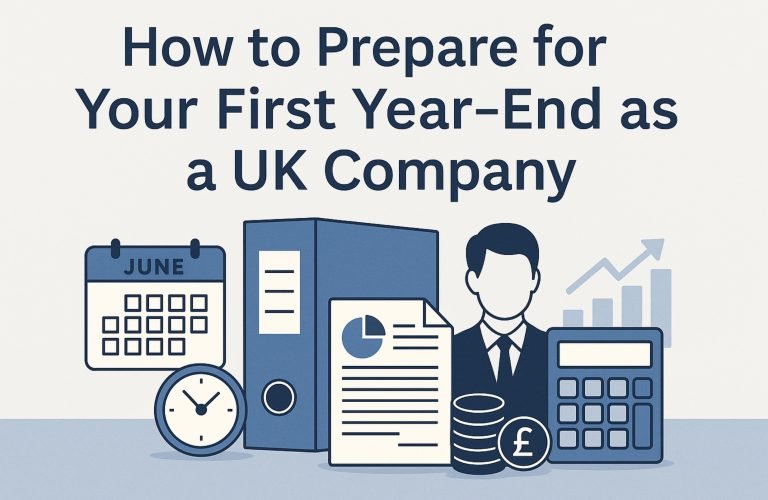
A year-end (or accounting reference date) is the end of your company’s financial reporting period.

For most companies, Companies House sets the first year-end as:

  • 12 months from the end of the month of incorporation

For example:
Incorporated on 5 June 2025 → Year-end will be 30 June 2026

You can change your year-end if needed, but it’s best to plan early. We can assist with year-end alignment where relevant.

What Must Be Filed at Year-End?

As your company reaches its year-end, you’ll need to file:

  • Annual accounts (to Companies House)
  • Corporation Tax return (CT600) and accounts (to HMRC)
  • Confirmation Statement (if due around the same time)

Deadlines:

  • Annual accounts: 21 months after incorporation (first year only)
  • Corporation Tax return: 12 months after year-end
  • Corporation Tax payment: 9 months + 1 day after year-end

Dragonfly Associates monitors these deadlines and manages filings for clients under our accounting or compliance packages.

Preparing Financial Records

Preparing Financial Records

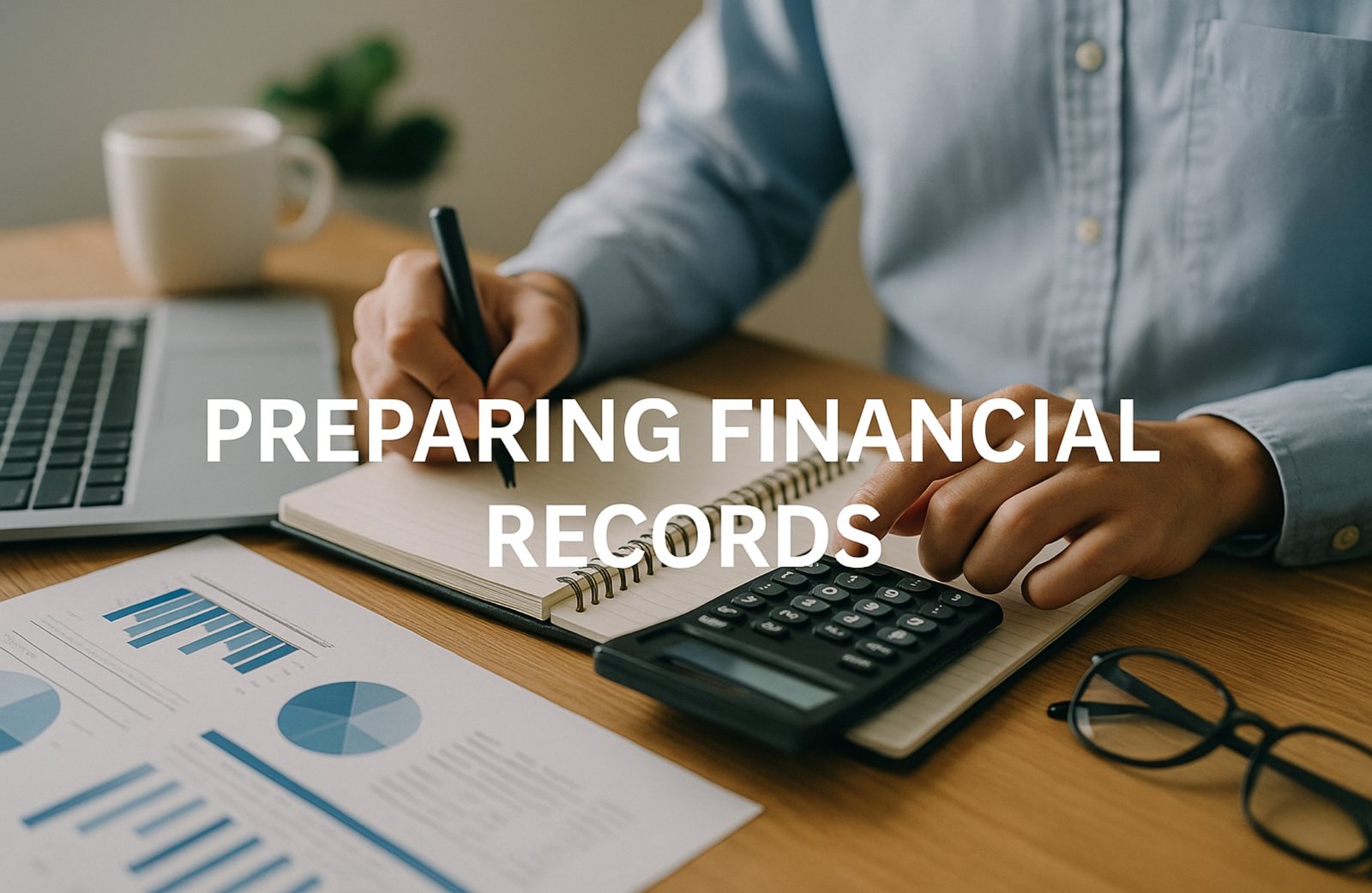
You’ll need to prepare:

  • A full record of company income and expenses
  • Invoices, receipts, and bank statements
  • Payroll summaries (if applicable)
  • Director expense claims and dividends (if taken)

These form the basis of your accounts and tax return. We provide clients with digital bookkeeping tools and templates to make this easier.

Accounting Systems and Support

To prepare for year-end, make sure you have:

  • A separate business bank account
  • Organised accounting software (e.g. Xero, FreeAgent, QuickBooks)
  • Up-to-date records for all transactions

Dragonfly Associates provides accounting software setup, training, or managed bookkeeping depending on your selected service plan.

Common Mistakes to Avoid

  • Mixing personal and company finances
  • Not reconciling accounts regularly
  • Failing to register for Corporation Tax
  • Missing VAT or PAYE registration (if required)
  • Ignoring the deadlines or relying on memory

We help clients avoid these issues by offering ongoing monitoring, alerts, and documentation checks.

Tax Planning at Year-End

Year-end is also an opportunity to:

  • Review allowable expenses
  • Optimise director pay structure
  • Plan for dividends or bonuses
  • Identify tax relief opportunities (e.g. R&D, capital allowances)

Dragonfly Associates provides advisory sessions for clients under accounting or director support agreements.

Frequently Asked Questions

Can I change my year-end?

Yes, but you must apply through Companies House. It must comply with UK rules on length and timing.

What happens if I miss the deadline?

Late filings result in automatic penalties from Companies House and HMRC. Repeated lateness may trigger further enforcement.

Can I do it all myself?

You can, but most directors prefer expert help to avoid errors, delays, or tax inefficiencies. We offer full year-end support.

Navigate Your First Year-End with Confidence

Your first year-end sets the tone for your company’s future compliance. With the right systems and support, it becomes a smooth and valuable process—not a stressful deadline.

Dragonfly Associates helps new companies prepare, file, and optimise their year-end accounts and tax submissions—delivered under clearly defined service agreements.

To prepare for your first year-end or receive a personalised checklist, contact us today.

Last Updated: September 19, 2025

All UK companies—whether trading, dormant, or new—must file annual accounts with Companies House. These accounts provide a formal snapshot of the company’s financial position and must be filed accurately and on time to avoid penalties or legal complications.

This guide explains what annual accounts are, who must file them, and how Dragonfly Associates helps clients stay compliant—subject to agreement.

What Are Annual Accounts?

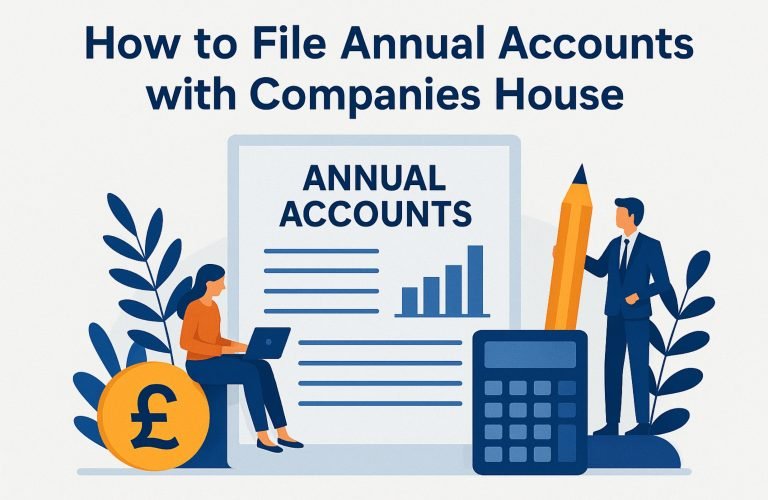
Also known as “statutory accounts,” annual accounts summarise the financial activity of your company during its accounting period. They typically include:

  • A balance sheet
  • A profit and loss account
  • Notes about the financial activity
  • A director’s report (for some companies)
  • An auditor’s report (if applicable)

The exact content depends on your company size and trading activity. Small companies may be eligible for simpler reporting formats.

Who Needs to File Annual Accounts?

All limited companies registered in the UK are required to file accounts, including:

  • Active trading companies
  • Dormant companies (with simplified accounts)
  • Companies in the process of dissolution (unless already struck off)

Sole traders and partnerships do not file accounts with Companies House, but may still file financial records with HMRC.

When Are Annual Accounts Due?

Your first accounts are due:

  • 21 months after incorporation, or
  • 9 months after your accounting reference date (ARD), for subsequent years

Late filings are subject to automatic penalties:

  • Up to 1 month late: £150
  • 1–3 months late: £375
  • 3–6 months late: £750
  • Over 6 months late: £1,500

Fines double if you’re late two years in a row. Dragonfly Associates helps clients track and meet their filing deadlines.

How to File Annual Accounts

How to File Annual Accounts

Step 1: Prepare the Accounts

Depending on your company’s size and complexity, accounts can be prepared by:

  • Your internal finance team
  • An external accountant
  • A bookkeeping or compliance provider like Dragonfly Associates

We ensure your accounts are prepared in line with UK accounting standards and Companies House format requirements.

Step 2: File with Companies House

Accounts can be filed:

  • Online via Companies House WebFiling
  • By post using the appropriate forms
  • Through accounting software that supports iXBRL format

We handle electronic filings for clients enrolled in our accounting or compliance packages.

Step 3: File with HMRC

Limited companies must also file accounts with HMRC, usually alongside their Corporation Tax return. The deadlines are different, so both timelines must be managed carefully. We coordinate filings for both agencies where agreed.

Exemptions for Small and Dormant Companies

Small companies may be eligible for:

  • Filing abridged accounts (with less detail)
  • Audit exemption
  • Reduced disclosure requirements

Dormant companies can file simplified dormant accounts. Dragonfly Associates helps determine your eligibility and prepares the correct documentation accordingly.

Frequently Asked Questions

What happens if I miss the deadline?

You’ll receive a fine from Companies House. Continued failure may lead to strike-off proceedings or director liability.

Can I change my accounting reference date?

Yes. You can do this through Companies House to align your financial year with tax deadlines or business cycles. We assist with ARD changes on request.

Do I need an accountant to file?

Not by law, but it’s highly recommended to ensure compliance, accuracy, and efficient tax reporting. We offer full-service support under contract.

File Confidently and Stay Compliant

Filing annual accounts is not just a legal requirement—it’s also a key indicator of business health and reliability. Mistakes or delays can lead to penalties and damaged credibility.

Dragonfly Associates provides timely, accurate, and legally compliant account filing support, tailored to your business and available under agreed service plans.

To meet your next filing deadline without stress, contact us today.

© All rights reserved. Made with love by Ottmann-Polignac

4tehrwq

Congratulations! This company name is available.

4tehrwq

Unfortunately, this name is not available for registration.
Please select another.